
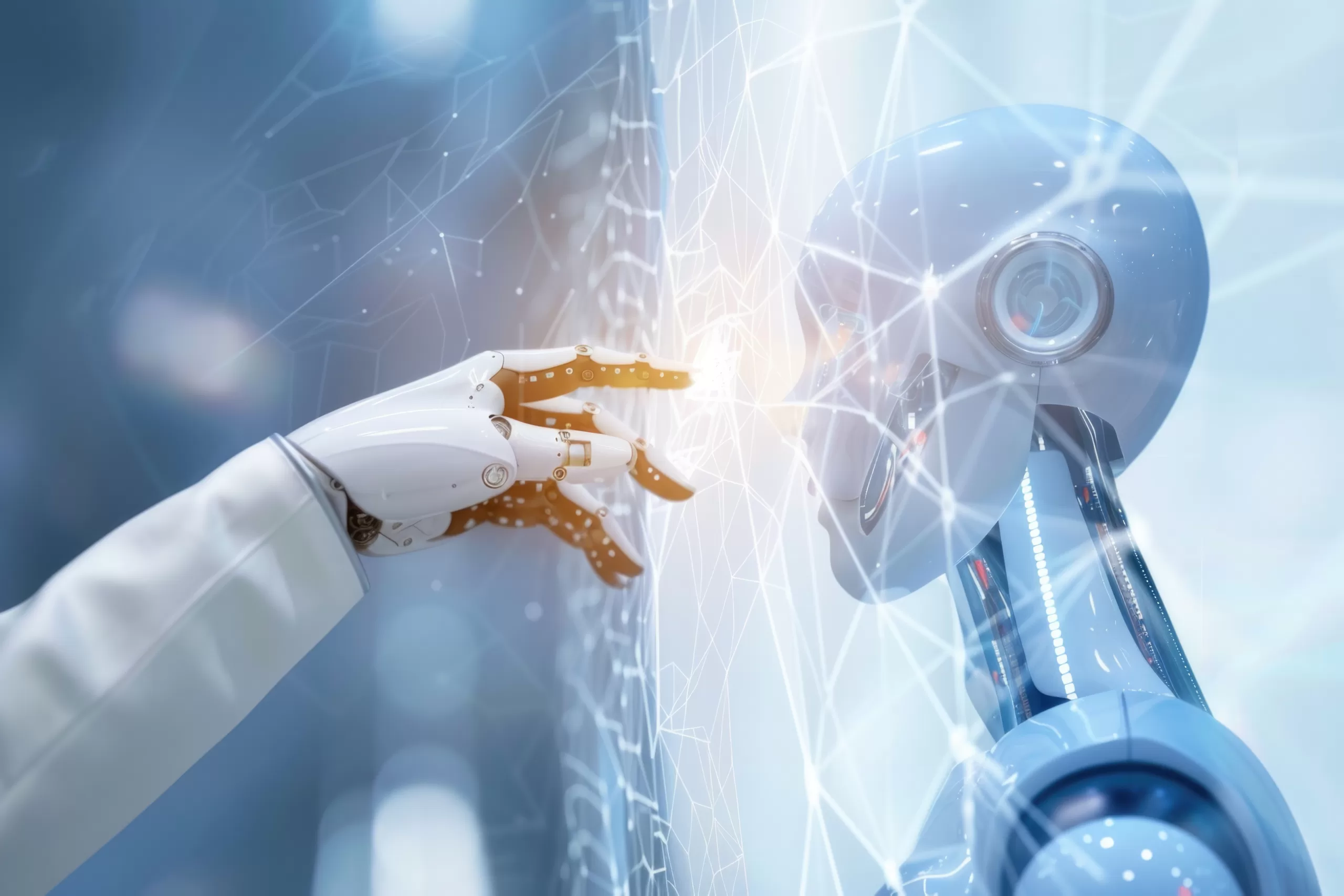
In recent years, automation powered by artificial intelligence has made inroads into nearly every sector, including the world of software quality. Tools capable of automatically generating and executing tests, translating requirements into test scenarios, and delivering detailed diagnostics have boosted the efficiency of IT and QA teams. With such advances, a common question arises: are human testers becoming obsolete?
At first glance, this concern seems valid. Modern platforms can automate complex workflows, reduce manual tasks, and even use natural language to create scenarios, as TestBooster.ai does. The promise of increased efficiency, fewer errors, and organized reports might initially look like a justification for reducing teams. However, the market reality points in a different direction. Let’s explore this subject in a critical analysis.
What does AI automation add to software testing?
AI-driven automation has turned time-consuming testing into quick activities. According to the State of Test Automation by Kobiton (2023), 68% of companies reported that automation greatly improves agility and standardization, while 61% observed a decrease in errors during repetitive tasks after adopting intelligent solutions. Tools like TestBooster.ai help create scenarios in natural language, consolidate reports, and bring results from various frameworks together, further boosting the visibility of system quality.
With AI, repetitive tasks and unstable workflows no longer consume the team’s time, allowing professionals to focus on strategic analysis and product improvements.

Limits and challenges of AI automation
No matter how advanced, AI has its limitations. It can automatically handle known scenarios and replicate patterns, but it struggles to interpret ambiguous requirements or specific business contexts. The World Quality Report (2022) notes that 51% of senior QA professionals still face issues in situations that demand contextual decision-making or real-time adjustments, areas where human experience makes all the difference.
When testing involves risk prioritization, customer impact analysis, or adaptation in dynamic projects, human judgment is crucial. AI executes instructions and identifies patterns, but QA professionals grasp nuances, share valuable insights with the team, and suggest creative adjustments.
Why human testers are essential
Human expertise goes far beyond just following steps. QA professionals understand user motivations, perceive behavior trends, and anticipate scenarios that AI would rarely catch without prior training. They’re also crucial for analyzing complex problems, refining automation scripts, and acting as bridges between technical and business teams.
Teams that combine smart automation with active professional involvement achieve superior qualitative results, as highlighted by the State of DevOps Report (2023). Companies that balance automated processes with human action report up to 50% fewer critical failures after deploying new systems.

TestBooster.ai: Automation and human intelligence working together
At TestBooster.ai, our goal is to make the daily routine of QAs, developers, and managers more productive and connected. The platform does not replace anyone, it’s about offers centralized, standardized, and unified insights throughout the entire testing cycle. By integrating AI-powered automated workflows, connecting legacy systems, and organizing data in accessible dashboards, your team’s expertise is amplified.
Our AI helps create robust tests, reduces time spent on repetitive tasks, and makes cross-team communication easier. Strategic decisions, critical review of complex flows, and priority setting stay in the hands of people who truly understand your business.
Automation as a force multiplier
Smart automation does not decrease the value of QA professionals. But, on the other hand, it amplifies results, frees up time for deeper analysis, and enables better decision-making. Combining AI with human expertise builds stronger teams, ready to respond quickly to market challenges.
If you are looking for efficiency, centralization, and meaningful opportunities for your QA team to grow, check out TestBooster.ai. Contact us and see firsthand how people and technology together can boost your software quality.